Getting your vehicle repaired after an accident may seem straightforward: file an insurance claim, choose a collision repair shop, approve the estimate, and get your vehicle back.
In reality, collision repair has become increasingly complex. Modern vehicles rely on advanced materials, electronic systems, cameras, sensors, driver-assistance technology, and manufacturer-specific repair procedures. At the same time, insurance companies and repair facilities may have different requirements regarding parts, estimates, supplements, documentation, and repair procedures.
What you may not realize is that the repair process can involve decisions that affect the cost, quality, safety, and long-term value of your vehicle.
Before authorizing collision repairs, it is worth understanding what has changed and knowing which questions to ask.
Collision Repair Is More Than Replacing Damaged Parts
Modern vehicles are built with much more technology than vehicles of previous generations.
A collision that appears to have damaged only a bumper or fender can potentially affect components behind the visible damage. Depending on the vehicle, these areas may include sensors, wiring, brackets, cameras, radar equipment, suspension components, structural components, or other systems.
That means a proper collision repair may involve more than replacing the parts that are visibly damaged.
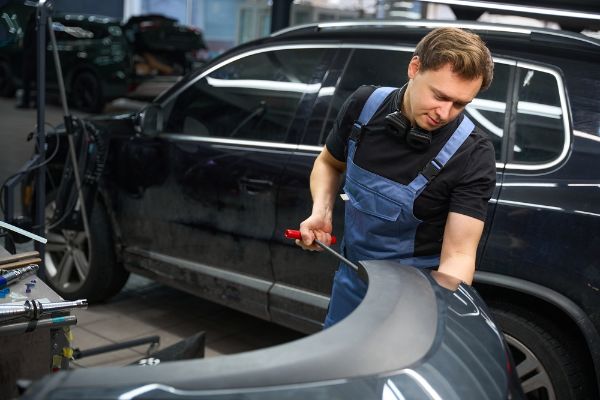
A qualified collision repair shop may need to inspect the vehicle, research manufacturer repair information, perform measurements, scan electronic systems, complete required calibrations, and conduct post-repair testing.
This is one reason an initial estimate can change after the vehicle is disassembled.
Why Can the Repair Estimate Change?
One of the most common surprises for drivers is discovering that the final repair cost is higher than the original estimate.
An initial estimate is often based on what can be identified before the vehicle is fully disassembled. Once damaged areas are exposed, additional damage may be discovered.
This is commonly addressed through a supplement.
A supplement is additional repair work or parts that were not included in the original estimate. The collision repair shop may document the newly discovered damage and submit the additional work to the insurance company for review.
Before authorizing repairs, ask:
- Is this estimate based only on visible damage?
- What happens if additional damage is discovered?
- Who submits supplements to the insurance company?
- Will I be contacted if the repair cost changes?
- Could additional work affect my out-of-pocket cost?
Understanding this process beforehand can prevent a larger repair bill from becoming an unexpected surprise.
What Should You Know About Replacement Parts?
Parts are another area where customers should ask questions before repairs begin.
Depending on the vehicle, insurance policy, repair estimate, and applicable state requirements, a repair may involve original equipment manufacturer parts, aftermarket parts, recycled parts, or other replacement components.
These terms are not interchangeable.
OEM parts are made by or for the vehicle's original manufacturer and are designed for that specific vehicle.
Aftermarket parts are produced by companies other than the vehicle's original manufacturer. Quality, design, availability, and specifications can vary by component and manufacturer.
Recycled or salvage parts are components recovered from another vehicle. They may be appropriate for certain repairs depending on the part, condition, vehicle, and repair requirements.
The important point for drivers is that you should know what type of parts are being proposed for your vehicle.
Ask your collision repair shop:
- What type of replacement parts will be used?
- Are the parts new, aftermarket, OEM, or recycled?
- Does my insurance policy specify what types of parts can be used?
- Will the parts meet the vehicle manufacturer's repair requirements?
- Is there a warranty on the replacement part?
- Will using a particular part affect any other warranty or repair requirement?
Do not assume that every replacement part is automatically equivalent simply because it fits the vehicle.
Your Insurance Company May Have Its Own Repair Procedures
Another potential source of confusion is the relationship between your insurance company and the collision repair shop.
An insurance company may provide an estimate or have preferred repair facilities within its network. However, the insurance company's estimate and the repair shop's final repair plan may not always be identical.
The repair shop may identify additional damage, manufacturer procedures, required calibrations, or other work that was not included in the original estimate.
Before repairs begin, ask both the insurance company and repair shop questions about what is included and who is responsible for approving additional work.
You should also understand whether your insurance policy places any limitations on parts, labor, repair facilities, or other aspects of the claim.
Do You Have to Use the Insurance Company's Preferred Shop?
This is an area where drivers should avoid making assumptions.
Insurance companies may recommend or maintain networks of collision repair facilities, but the rules surrounding your choice of repair facility can vary based on your state, policy, and circumstances.
If an insurance representative recommends a particular shop, you can ask:
"Am I required to use this shop, or can I choose my own collision repair facility?"
You should also ask your collision repair shop whether it regularly works with your insurance company and how it handles estimates, supplements, documentation, and communication.
The goal is to understand your options before you authorize repairs.
Advanced Safety Systems Can Change the Repair Process
One of the biggest changes in collision repair is the increasing use of advanced driver-assistance systems, often called ADAS.
Depending on the vehicle, these systems can include:
- Forward collision warning
- Automatic emergency braking
- Lane departure warning
- Lane-keeping assistance
- Blind-spot monitoring
- Adaptive cruise control
- Parking sensors
- Surround-view cameras
- Rear cross-traffic alerts
These systems depend on cameras, radar, sensors, control modules, and other components that can be affected by a collision.
A repair involving a bumper, windshield, grille, mirror, suspension component, or other area may potentially require additional inspection, scanning, or calibration.
That can affect both the repair process and the amount of time your vehicle spends in the shop.
Before authorizing repairs, ask:
"Does my vehicle require any scanning, calibration, or post-repair testing because of this collision?"
Manufacturer Repair Procedures Matter
Vehicle manufacturers publish repair information for many vehicles, including procedures involving structural repairs, materials, welding, adhesives, replacement components, electrical systems, and advanced safety technology.
Not every vehicle can be repaired using the same process.
For example, a repair procedure that is appropriate for one vehicle may not be appropriate for another because vehicles can use different metals, high-strength materials, aluminum, adhesives, structural components, or electronic systems.
A collision repair shop may need to research the manufacturer's specific procedures before determining how a repair should be performed.
When choosing a shop, ask whether the repair process will take the vehicle manufacturer's procedures into consideration.
Why You Should Ask About Hidden Damage
Visible damage does not always tell the entire story.
A bumper may be cracked while components behind it are also damaged. A wheel may appear intact while suspension components have been affected. A vehicle may look cosmetically repaired while an electronic system still requires diagnosis or calibration.
This is why a thorough inspection is important after a collision.
If a shop tells you that additional damage was discovered after disassembly, ask the shop to explain:
- What was damaged?
- Where is the damage located?
- Was it visible before disassembly?
- Why does it need to be repaired or replaced?
- Is it related to the accident?
- Has the insurance company been notified?
- Will the additional work change my responsibility for the repair cost?
A reputable collision repair shop should be willing to explain the reasoning behind recommended repairs.
Don't Be Surprised by Repair Delays
Parts availability can also affect how long a collision repair takes.
A repair can be delayed if a specific part is backordered, unavailable, damaged during shipping, or needs to be sourced from another location. Additional damage discovered during disassembly can also extend the repair timeline.
Before approving repairs, ask:
- Are all necessary parts currently available?
- Are any parts backordered?
- How long are parts expected to take?
- Could a supplement change the estimated completion date?
- When will I receive an updated timeline?
A shop may not be able to control parts availability, insurance approvals, shipping delays, or unexpected damage. However, good communication can help you understand what is happening with your vehicle.
Ask About Your Vehicle's Safety After Repairs
A vehicle can look great after an accident and still require additional attention to ensure all affected systems are functioning properly.
Depending on the collision and vehicle, repairs may involve structural components, suspension, steering, brakes, lighting, sensors, cameras, airbags, seat belts, or other safety-related systems.
Ask the repair shop what inspections, scans, calibrations, measurements, or tests are being performed as part of the repair.
You should also ask what documentation will be provided when the vehicle is completed.
Understand Your Warranty Before You Approve the Work
Collision repair warranties can vary from one shop to another.
Before authorizing repairs, ask:
- What is covered under the shop's warranty?
- How long does the warranty last?
- Are parts covered separately?
- Is paint or refinishing covered?
- Are there mileage limitations?
- What circumstances could void the warranty?
- What should I do if a problem develops after the repair?
Get the warranty information in writing and keep it with your repair records.
Questions to Ask Before Authorizing Collision Repairs
If you are preparing to have your vehicle repaired, consider keeping this checklist handy:
About the estimate
- What damage has been identified?
- Could additional damage be discovered?
- How are supplements handled?
About parts
- What type of parts will be used?
- Are they OEM, aftermarket, or recycled?
- Are the parts covered by a warranty?
About repairs
- Are manufacturer repair procedures being followed?
- Will the vehicle require scanning or calibration?
- Will any structural or safety systems require additional testing?
About insurance
- What does my insurance estimate cover?
- Who approves additional repairs?
- Do I have a choice of repair facility?
- What costs could I be responsible for?
About timing
- Are all parts available?
- Could additional damage or insurance approvals delay the repair?
- When will I receive updates?
About the finished vehicle
- What work was completed?
- What inspections or testing were performed?
- What warranty applies to the repairs?
- What documentation will I receive?
Choose a Collision Repair Shop That Keeps You Informed
The collision repair industry continues to change as vehicles become more advanced and repair procedures become more specialized.
For drivers, that means choosing a collision repair shop is about more than finding someone who can make the visible damage disappear. You want a shop that understands the repair requirements for your vehicle, communicates clearly about changes to the estimate, explains your parts options, and keeps you informed throughout the process.
Before authorizing repairs, ask questions. Understand what is being repaired, what parts are being used, what your insurance covers, what additional procedures may be required, and what warranty comes with the work.
At Wright Way Automotive & Collision Repair in Albany, our goal is to help make the collision repair process easier to understand from the initial inspection through the completed repair. If you have questions about damage to your vehicle or are preparing for collision repairs, contact our team to discuss your repair needs and learn more about the process.